
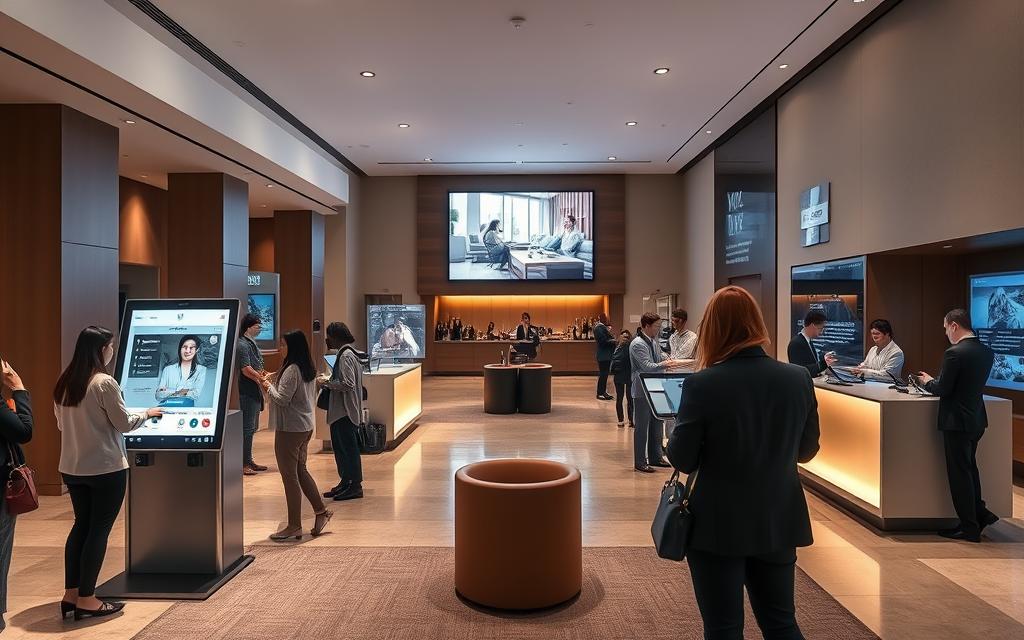
The hospitality world is changing fast with new digital tools. These tools are making hotels and restaurants better for guests. Hospitality technology is leading this change.
New software and gadgets make things easier for everyone. They make booking and checking out smooth. This digital transformation in hotels makes guests happier and helps hotels work better.
Hotels use many tools to improve service. They have automated booking and smart room controls. These IT in hospitality tools are the future of the industry.
The goal is to make service better with smart systems. This means less waiting and more personal service. Technology helps staff give guests the best experience every time.
What is Information Technology in the Hospitality Industry
Hospitality IT is the digital backbone of today’s guest experiences. It combines hardware, software, and networks to make operations smoother. This technology helps hotels, resorts, and other places to serve guests better.
The Evolution of IT in Hospitality Services
The tech used in hotels has changed a lot over the years. In the past, hotels used paper and phones for bookings. This was the norm.
In the 1990s, property management systems (PMS) became a big step forward. They automated tasks like checking guests in and managing rooms. The internet then made online bookings and digital chats possible.
Now, hospitality IT is all about connected systems. They use cloud technology to share data in real-time. This makes the guest experience smooth from start to finish.
Core Components of Modern Hospitality IT Systems
Today’s hospitality tech has many parts working together. These parts help manage hotels, improve guest service, and grow the business. They all work as one digital system.
Related Posts:
- How Technology Has Improved Transportation Safety…
- How Technology Will Change Architecture in the…

- What Is a Head of Technology Leadership in the Tech Industry

- How Technology Is Beneficial to Education Enhancing…
- What Is Appropriate Technology Sustainable Solutions…

- Do You Need Calculus for Information Technology Math…
Property Management Systems (PMS)
PMS systems are key to running modern hotels. They handle bookings, room assignments, and billing. They also keep track of rooms available across different platforms.
Modern PMS systems can be accessed from anywhere. They connect with payment systems and other tools. This makes hotels more efficient and reduces mistakes.
These systems also have analytics. They look at things like how full the hotel is and how much money it makes. This helps hotel owners make better decisions.
Customer Relationship Management (CRM) Tools
CRM in hospitality is about keeping in touch with guests. It collects and uses guest data during their stay. It keeps track of what guests like and what they’ve done before.
CRM tools help hotels send out special offers and services. They know what guests want, like certain rooms or amenities. This makes guests feel special and valued.
When CRM and PMS systems work together, they’re even better. They can use guest preferences to make their stay even more personal. This makes guests happy and keeps hotels running smoothly.
| System Feature | Property Management Systems | CRM Tools | Integration Benefits |
|---|---|---|---|
| Primary Function | Operational management and reservations | Guest relationship building | Unified guest experience |
| Data Focus | Inventory and financial transactions | Guest preferences and history | Comprehensive guest profiling |
| Key Outputs | Occupancy reports and revenue data | Personalisation insights | Enhanced service delivery |
| User Access | Front desk and management | Marketing and guest services | Cross-departmental coordination |
The link between PMS and CRM systems is the top of hospitality IT today. It lets hotels give guests a personal touch while keeping things running smoothly. As these systems keep getting better, so will the guest experience.
Key Technologies Enhancing Guest Service Efficiency
The hospitality sector is changing fast with new guest service technology. These changes make guest experiences better from start to finish.
Online Booking and Automated Check-in Systems
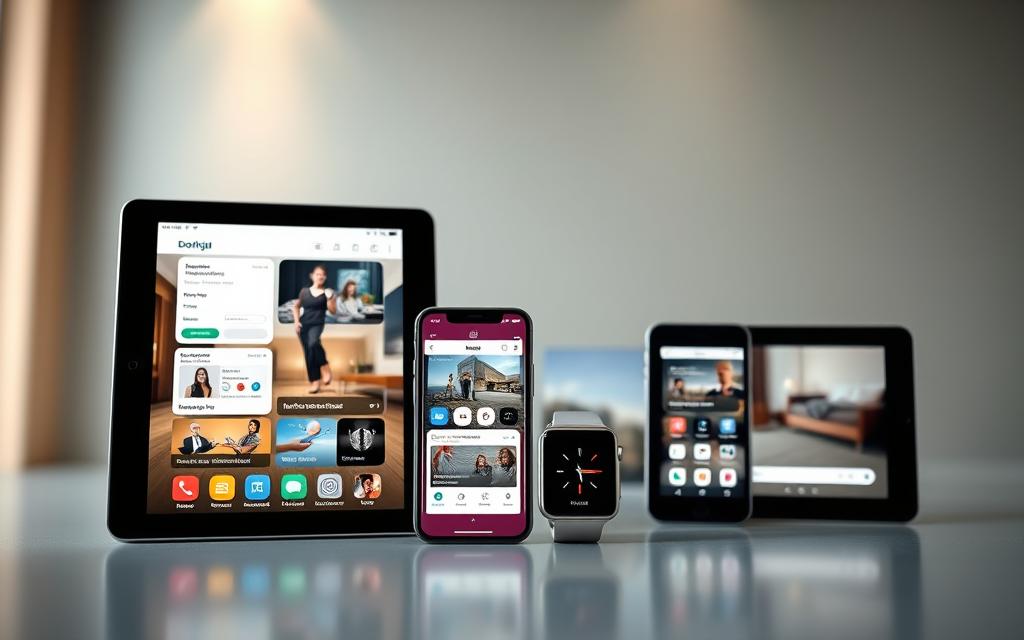
Modern online booking systems have changed how we book stays. Guests can now book easily through websites that show real-time availability and confirm instantly.
Automated check-in makes things even smoother. Self-service kiosks and digital front desks cut down waiting times. Many hotels now offer mobile keys, so guests can skip the traditional check-in.
These systems work with property management software. They make sure rooms are ready and special requests are met before guests arrive. This makes the welcome even better, starting the stay off right.
Mobile Applications for Personalised Guest Experiences
Mobile apps in hospitality are key to the modern guest experience. These apps act as digital concierges, giving guests control and convenience during their stay.
Big hotel chains like Marriott and Hilton have made detailed apps. They handle everything from pre-arrival requests to post-stay reviews. This shows the industry’s move towards digital experiences.
Customising Services Through App Integration
Advanced apps let guests tailor their stay before they arrive. They can choose room settings, pillow types, and minibar options through their phones.
AI-driven suggestions offer local experiences based on guest profiles and past behaviour. This customisation makes stays memorable, encouraging guests to come back and share their good experiences.
Real-time Communication and Feedback Channels
Instant messaging in hospitality apps means real-time feedback and support. Guests can ask for services, report issues, or get tips without needing to call or visit the front desk.
AI chatbots, like Hilton’s Connie, help 24/7 with common questions. They also pass on complex issues to human staff. This mix ensures quick answers while keeping things personal.
Feedback tools after the stay capture guests’ thoughts while the experience is fresh. This real-time feedback helps improve services and manage reputation.
| Technology Type | Key Features | Impact on Guest Satisfaction | Implementation Examples |
|---|---|---|---|
| Mobile Applications | Room customisation, service requests, digital keys | Increased personalisation and convenience | Marriott Bonvoy, Hilton Honors apps |
| Automated Check-in | Self-service kiosks, mobile registration | Reduced wait times, smoother arrivals | Hyatt’s mobile check-in, IHG kiosks |
| Real-time Communication | Chatbots, instant messaging, feedback tools | Faster response times, issue resolution | Hilton’s Connie, Marriott’s chat services |
| Integrated Booking Systems | Real-time availability, instant confirmation | Streamlined reservation process | Booking.com integrations, direct booking engines |
Streamlining Operational Processes with IT Solutions
Modern hotels are using new technologies to change how they work. These tools make old ways of doing things more efficient and based on data. They help hotels save money and keep quality high.
Automating Housekeeping and Maintenance Tasks
Hotels are using advanced systems to handle routine tasks. Robots and IoT devices do jobs that used to need people. This lets staff focus on guests more.
Smart building tech is leading in property care. IoT sensors watch equipment and predict when it needs fixing. This stops problems and saves money in the long run.
Using automation in housekeeping has worked well in many places. Systems plan cleaning routes and robots clean public areas when it’s quiet. These techs make traditional services better.
Inventory and Supply Chain Management Systems
New inventory management systems change how hotels manage supplies. They show what’s in stock, how much is used, and when to order more. This cuts waste and keeps things available.
These systems work well with other hotel systems. They update stock levels automatically, avoiding mistakes. This helps managers make smart choices about buying and storing.
Real-time Stock Monitoring and Alerts
Advanced systems watch stock levels all the time. Smart sensors in storage areas update databases when needed. This stops stockouts and overordering.
Alerts tell managers when it’s time to order more. These alerts can be set up for different items and how long it takes to get them. Some systems even order things automatically.
Seamless Integration with Supplier Networks
Modern systems connect well with suppliers. They share stock data electronically. This makes the supply chain work smoothly.
These systems handle ordering and payments automatically. This makes things faster and less prone to mistakes. Suppliers get accurate orders, making deliveries quicker.
This integration is a big step forward in hotel management technology. It makes the supply chain more responsive and efficient.
| Technology Type | Primary Function | Key Benefits | Implementation Level |
|---|---|---|---|
| IoT Sensors | Real-time equipment monitoring | Predictive maintenance, reduced downtime | High adoption in luxury properties |
| Robotic Cleaners | Automated public area maintenance | Labour cost reduction, consistent quality | Medium adoption across segments |
| Inventory Management Software | Stock tracking and ordering | Waste reduction, optimal stock levels | Widespread adoption industry-wide |
| Supplier Integration Platforms | Automated supply chain coordination | Faster deliveries, improved accuracy | Growing adoption in chain hotels |
Technology is changing how hotels work fast. Hotels that use these new tools get ahead by being more efficient and saving money. Digital solutions are the future of managing hotels.
Leveraging Data Analytics for Personalised Hospitality
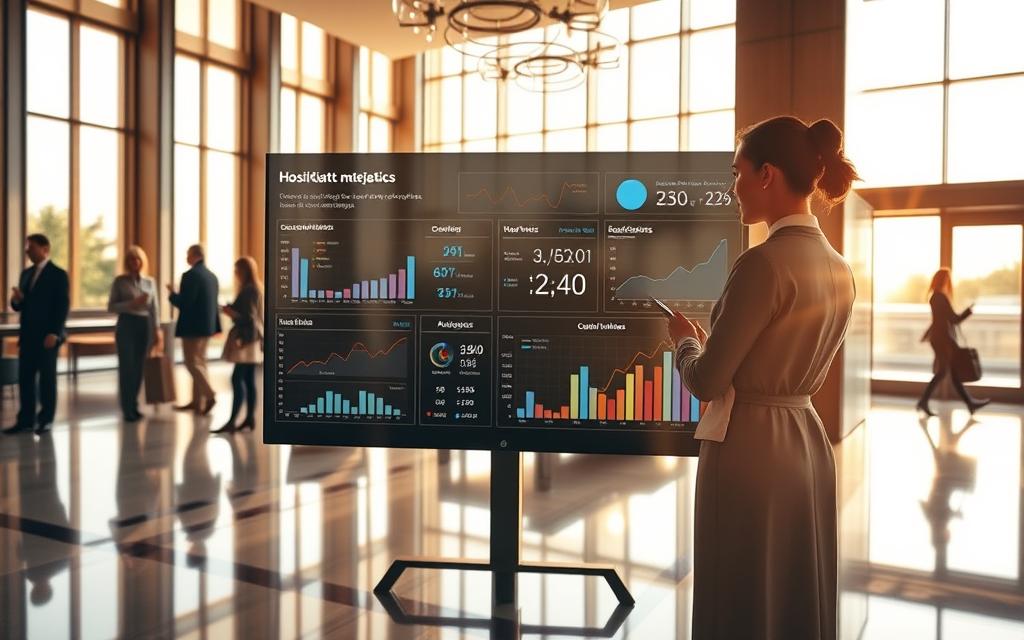
The hospitality sector is now driven by data. Data analytics in hospitality helps leaders stay ahead. It turns raw data into insights that improve service and profits.
Utilising Guest Data to Enhance Service Delivery
Hotels collect lots of guest data. This includes booking habits and dietary choices. It’s the key to personalised guest services.
The Ritz-Carlton remembers guests’ preferences. This makes their stays memorable. It encourages guests to come back.
Predictive Analytics for Demand and Revenue Management
Predictive analytics changes how hotels plan. It uses past data and trends to forecast demand. This helps with staffing and pricing.
Big chains like Marriott use advanced algorithms. These systems spot trends that humans might miss. This leads to better planning and use of resources.
Targeted Marketing and Promotional Strategies
Data analytics helps create targeted marketing. Hotels can offer specific deals based on guest preferences. A family resort might send updates on kids’ programmes.
This approach boosts marketing success. It reduces waste by focusing on what guests want.
Dynamic Pricing Models for Optimised Revenue
Dynamic pricing is a key use of analytics. It changes room rates based on demand and competition. Ayres Hotels use this to make more money when it’s busy.
These systems look at many things:
- Local events and conventions
- Seasonal demand changes
- What competitors charge
- Guest booking history
This way, hotels price rooms right. They make the most money without scaring off guests.
Addressing Challenges in IT Implementation
The digital transformation journey in hospitality faces many challenges. These need quick solutions. Successful technology integration needs careful planning to ensure smooth operations and guest satisfaction.
Ensuring Cybersecurity and Data Privacy
Hospitality businesses handle sensitive guest information. This makes strong cybersecurity measures essential. Data breaches can harm reputation and lead to big financial penalties.
Implementing multi-layered security protocols protects guest data and operational systems. Regular security audits and encryption technologies are key to effective protection.
Hotels must follow data protection regulations and have clear privacy policies. Teaching staff about security best practices helps prevent phishing attacks and other threats.
Maintaining System Compatibility and Upgrades
Legacy systems often create integration challenges with modern technology. Regular updates and patches ensure optimal performance and security.
Choosing scalable systems that allow for future expansion prevents obsolescence issues. Technology partners should provide reliable support for ongoing maintenance and troubleshooting.
Staff Training and Adapting to Technological Changes
Employee resistance to new systems is a common challenge. Training programmes build confidence and competence with technology tools.
Ongoing support and clear documentation help staff adapt to evolving digital environments. Celebrating technology successes encourages wider adoption across departments.
Balancing Automation with Personalised Human Touch
Technology should enhance, not replace, human interaction in hospitality. Automated systems handle routine tasks while staff focus on creating memorable guest experiences.
The most successful implementations maintain the warmth and personal attention that defines hospitality. Strategic technology deployment frees staff to provide more meaningful engagement.
| Challenge Area | Common Issues | Recommended Solutions | Implementation Timeline |
|---|---|---|---|
| Cybersecurity | Data breaches, system vulnerabilities | Multi-factor authentication, regular audits | Ongoing |
| Staff Training | Resistance to change, skill gaps | Phased training, continuous support | 3-6 months |
| System Compatibility | Integration problems, outdated equipment | Modular upgrades, cloud solutions | 6-12 months |
| Automation Balance | Impersonal service, guest dissatisfaction | Hybrid systems, staff empowerment | Ongoing adjustment |
Successful IT implementation requires addressing these challenges through coordinated strategies and continuous improvement. The right approach turns obstacles into opportunities for enhanced service delivery.
Conclusion
Information technology has changed hospitality a lot. It makes services better and back-end processes more efficient. This summary shows how tech improves guest experiences.
Hotels that use new tech get ahead. They offer better personal service, work more smoothly, and make smart choices with data. But, they must also watch out for security, train staff, and solve integration problems.
The future of hospitality tech looks bright. New ideas will keep coming. Hotels that keep up will excel in service and business.
IT solutions are changing hospitality for the better. They help businesses meet guest needs and stay top in a digital world.